1 / 1

Q: What are peel rivets typically used for?
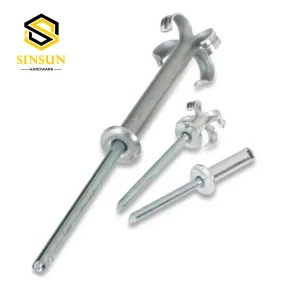
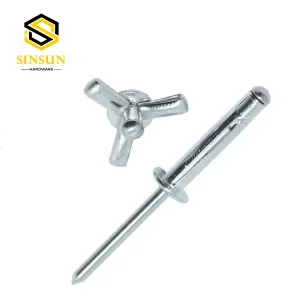
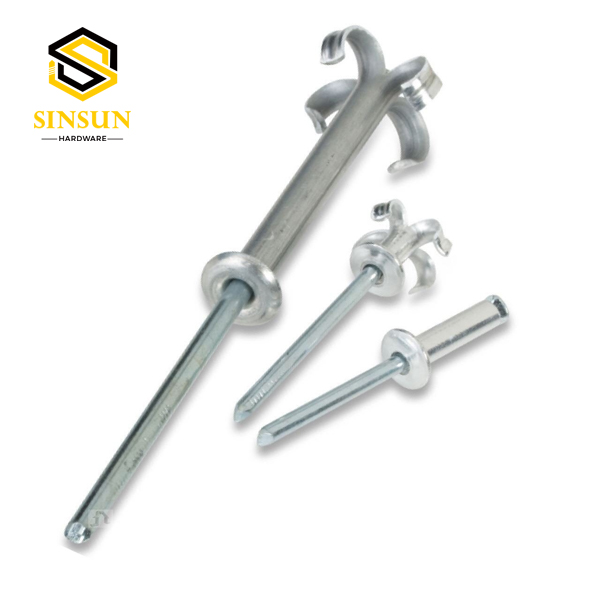
Peel rivets are designed specifically for soft and brittle materials like plastics, wood, and fiberglass. During installation, the body of the rivet splits into four petals on the blind side, distributing the load over a wide area and preventing damage or pull-through.
Q: How do colored rivets improve product aesthetics?
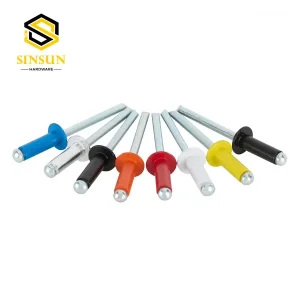
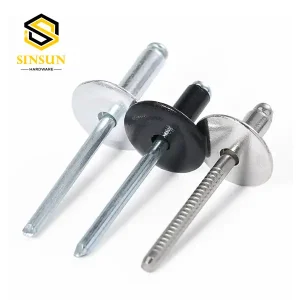
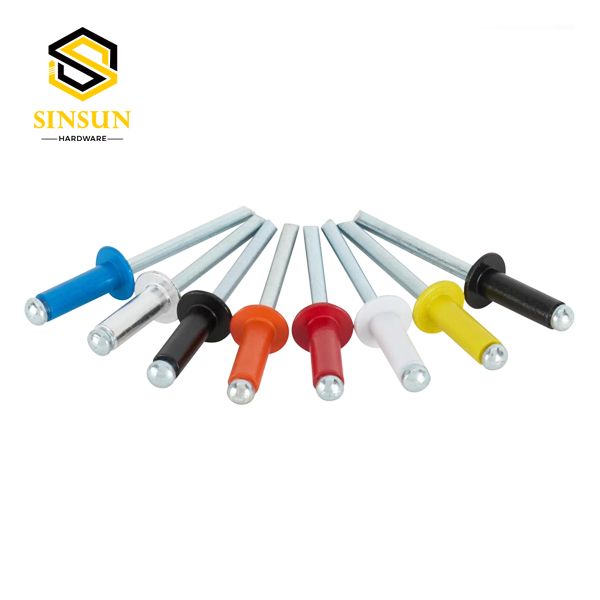
Colored rivets provide a seamless and professional appearance by matching the exact color finish of your assembly surface. They are highly popular in applications like consumer electronics, signage, and automotive panels where visual presentation matters.
Q: What is the advantage of using countersunk rivets?
Countersunk rivets feature a flat head that sits flush with the surface of the joined materials once installed. This is ideal for aerodynamic applications, moving parts, or flat surface requirements where protrusions must be eliminated.
Q: What makes solid rivets different from blind rivets?
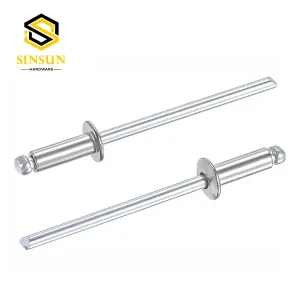
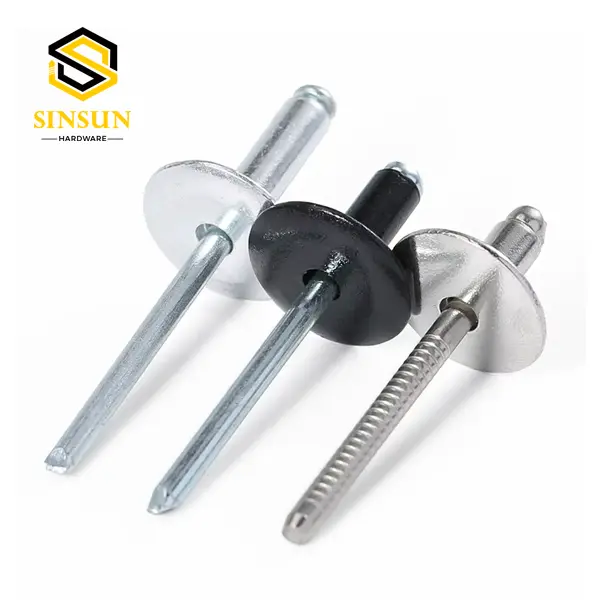
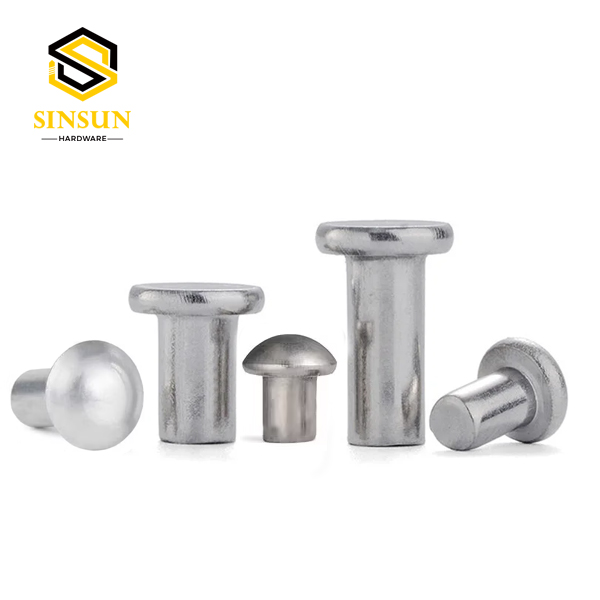
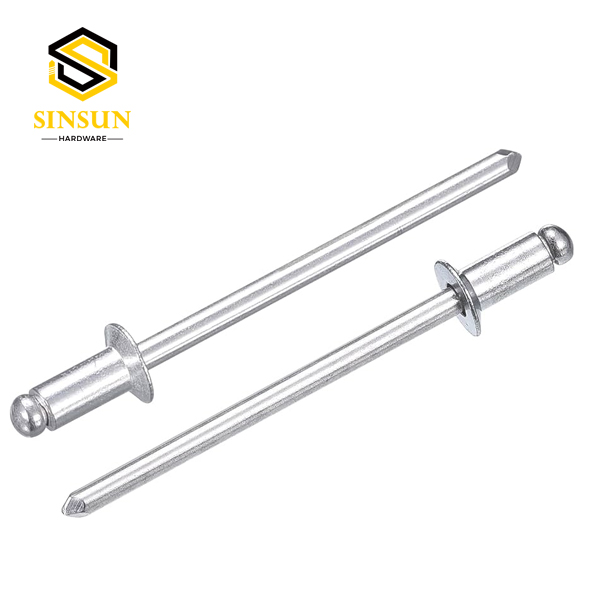
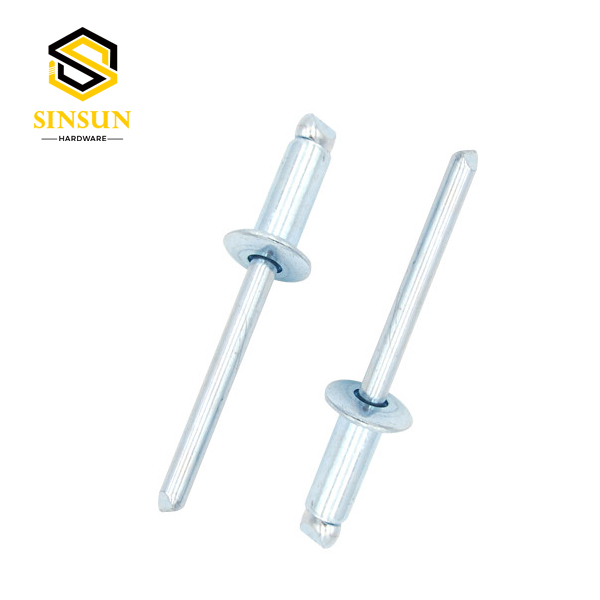
Solid rivets require access to both sides of the assembly for installation and are deformed using a hammer or rivet press, making them incredibly strong and reliable. Blind rivets, on the other hand, can be installed from just one side of the structure.
Q: Where are open end and tubular rivets best applied?
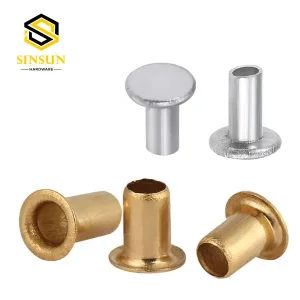
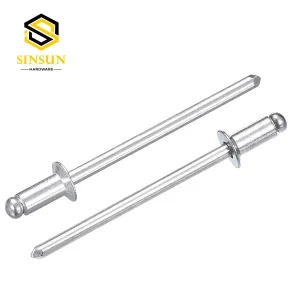
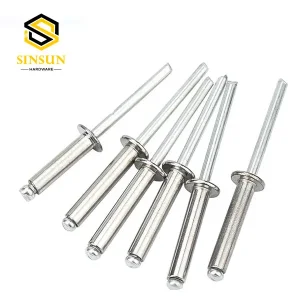
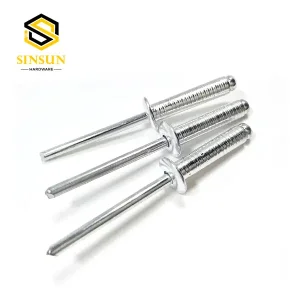
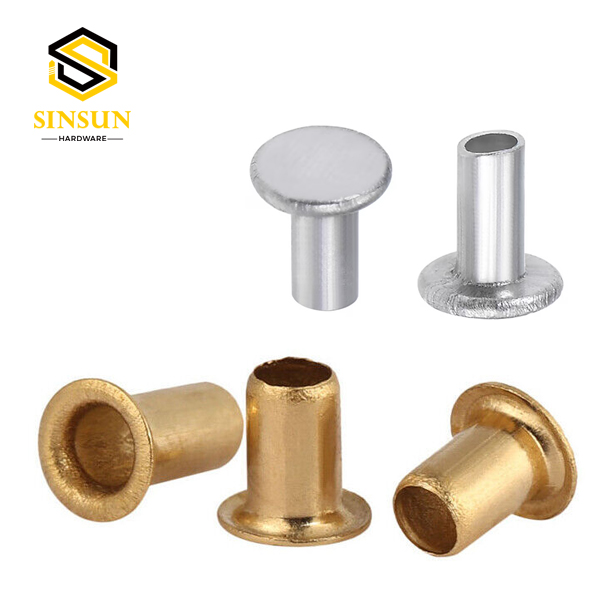
Open end rivets are versatile fasteners for general manufacturing where high water-resistance is not required. Tubular rivets feature a hollow shank that requires less force to assemble, making them perfect for pivots, hinge connections, and pivot points.