1 / 1

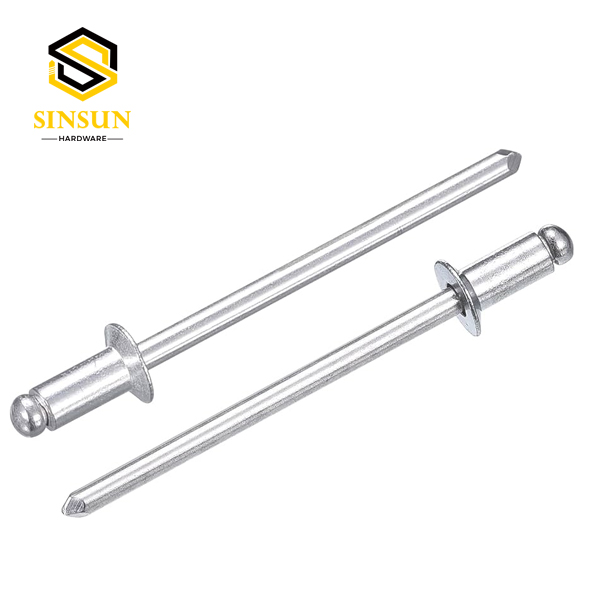
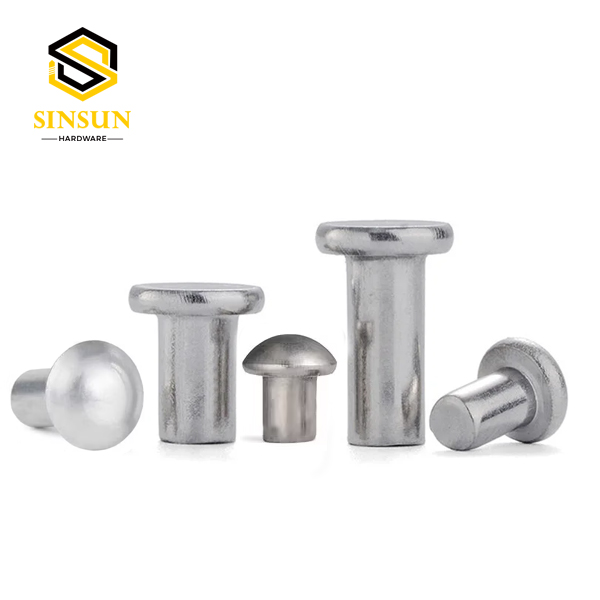
Countersunk rivets are ideal for applications where a flat, flush surface is required. They are commonly used in aerodynamics, aerospace, and any sheet metal fabrication where outer surfaces must remain smooth.
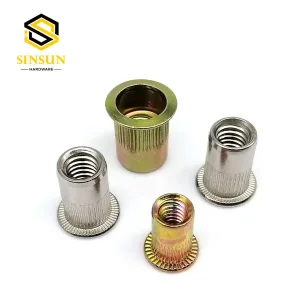
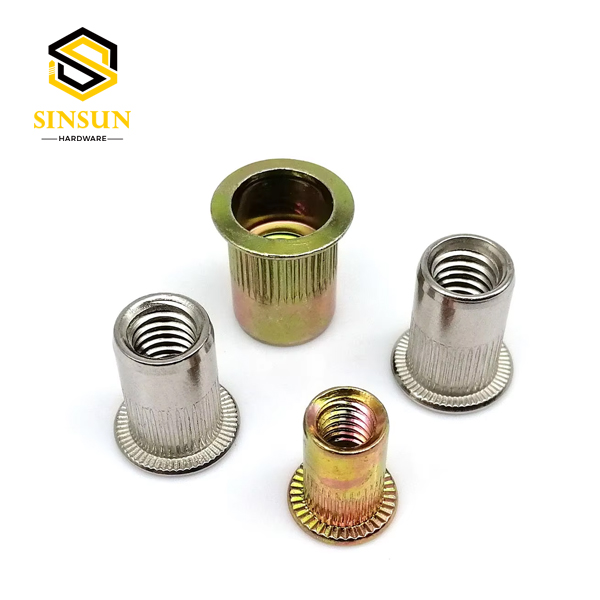
Unlike standard rivets that permanently bind materials together, a rivet nut creates a strong, internal thread. This allows you to easily attach bolts and screws to thin materials that cannot support tapped threads.
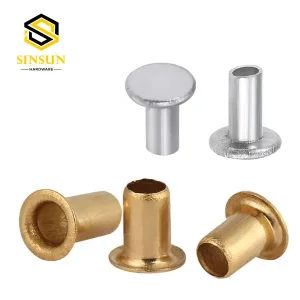
Solid rivets offer superior shear strength and structural reliability. They are generally preferred for structural applications where you have access to both sides of the joint, whereas blind rivets are designed for single-side access.
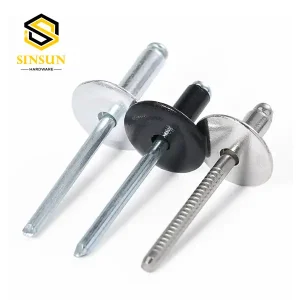
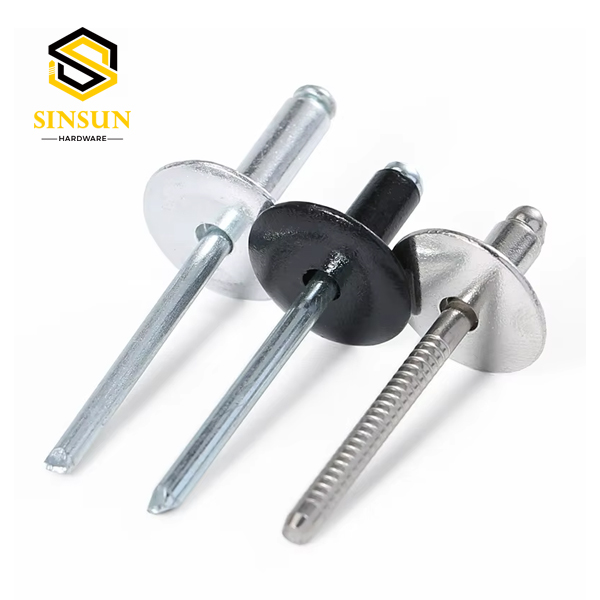
Large flange rivets provide a wider surface area that distributes clamping force more evenly. This design prevents soft, thin, or brittle materials (such as plastics or wood) from cracking or pulling through the joint.
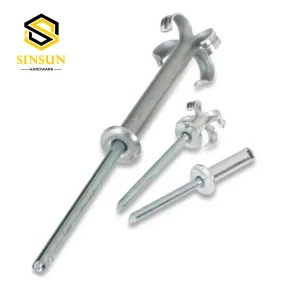
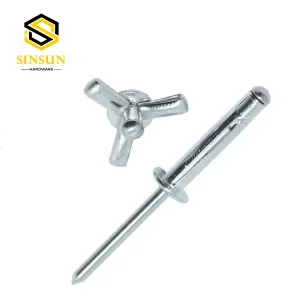
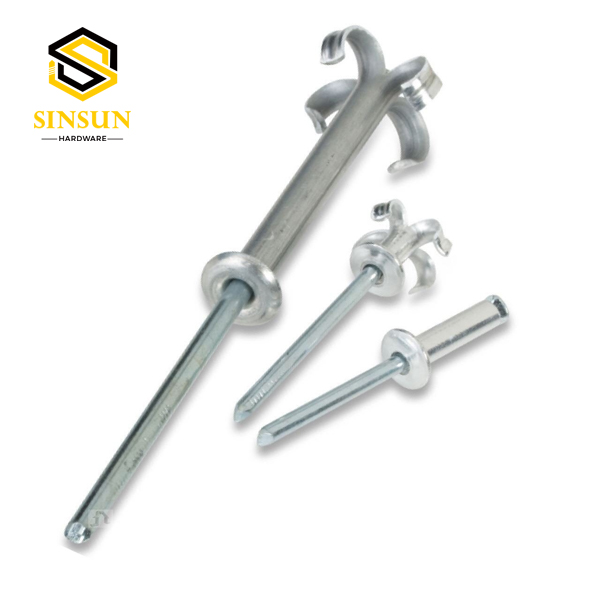
Peel rivets split into multiple "petals" on the blind side during installation. This wide distribution of clamping force makes them highly effective for fastening plastics, fiberglass, and composite materials without causing damage.
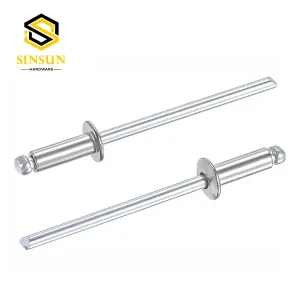
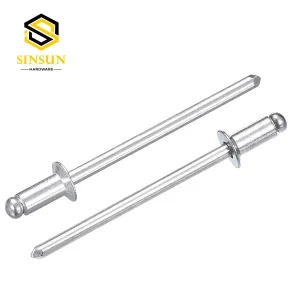
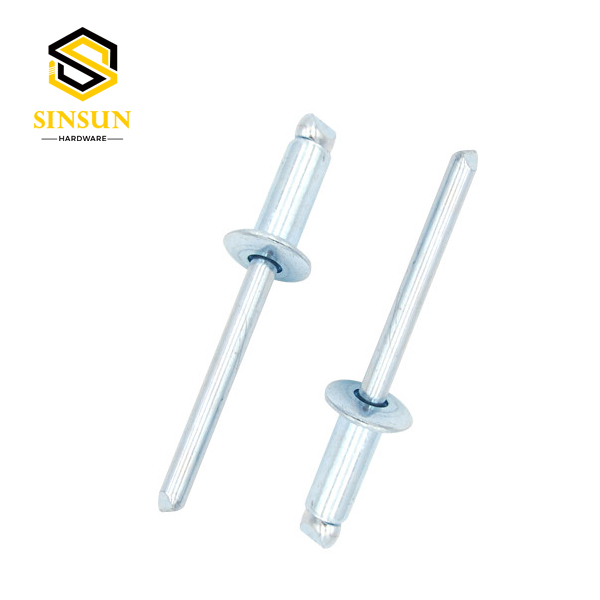
No, open end rivets have a hollow body after setting, which may allow moisture to pass through. For moisture-prone or pressure-tight applications, closed-end or sealed rivets should be selected instead.